
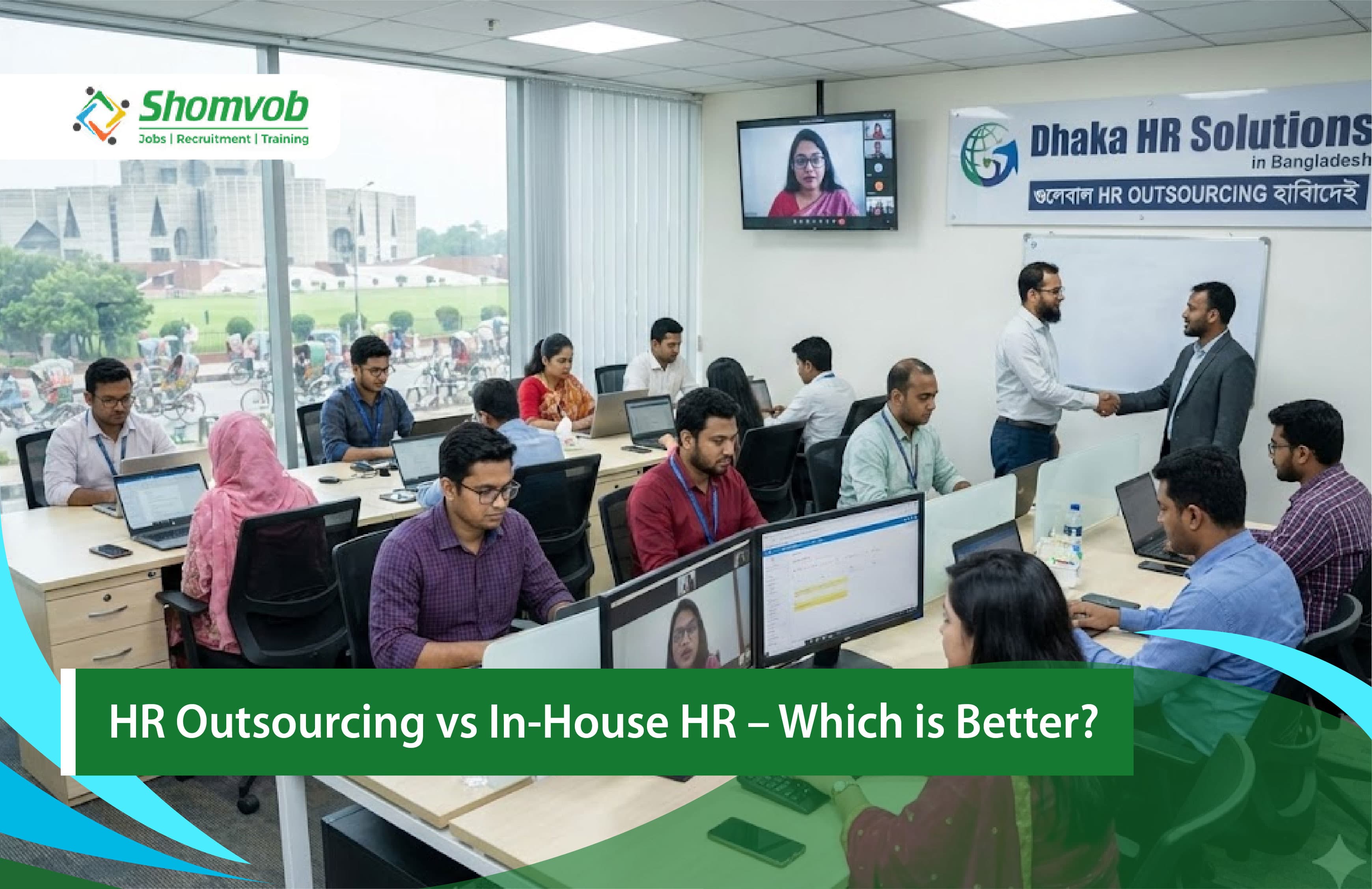
Managing human resources is one of the most critical aspects of running a business. From recruiting top talent to handling payroll, employee benefits, compliance, and performance management, HR plays a central role in business success. But businesses often face a key question: should they manage HR in-house or outsource it to a specialized HR service provider? In this blog, we’ll break down the differences, pros, and cons of HR outsourcing and in-house HR to help you make the best decision for your business.
What is In-House HR?
In-house HR means having a dedicated team of HR professionals working within your company. They handle all aspects of human resource management internally, from recruitment to employee engagement.
Pros of In-House HR:
Direct Control: You have complete control over HR policies, processes, and decisions.
Better Understanding of Company Culture: In-house HR teams are more familiar with your company’s values, culture, and unique needs.
Immediate Support: Employees can directly reach out to HR for assistance without intermediaries.
Cons of In-House HR:
Higher Costs: Hiring and training a full HR team can be expensive, especially for small businesses.
Limited Expertise: Small teams may lack specialized knowledge in areas like payroll compliance, benefits management, or labor laws.
Resource Intensive: Managing HR internally takes time away from focusing on core business activities.
What is HR Outsourcing?
HR outsourcing is when a company hires an external HR service provider to handle part or all of its HR functions. This can include payroll, recruitment, compliance, training, and employee benefits.
Pros of HR Outsourcing:
Cost-Effective: You pay for services as needed, avoiding the cost of full-time HR staff.
Access to Expertise: HR service providers have experience across multiple industries and can handle complex HR issues.
Focus on Core Business: Outsourcing HR frees up your management team to focus on growth and operations.
Scalable Solutions: Services can be adjusted based on your company’s growth or seasonal needs.
Cons of HR Outsourcing:
Less Control: You may have less direct influence over HR policies and decision-making.
Limited Personal Touch: Outsourced providers may not fully understand your company culture.
Dependency: Over-reliance on an external provider can be risky if there are service disruptions.
Key Factors to Consider
When deciding between in-house HR and outsourcing, consider these factors:
Company Size:
Small businesses often benefit more from HR outsourcing due to limited resources.
Large companies may need in-house HR teams to manage complex workforce requirements.
Budget:
Outsourcing can be more cost-effective in the short term.
In-house HR requires higher ongoing salaries and training costs.
Expertise Needed:
If your business requires specialized HR knowledge, outsourcing can provide access to experts.
For day-to-day employee management, an in-house team may be more effective.
Company Culture:
In-house HR is better for maintaining a strong internal culture.
Outsourced HR may focus more on processes and compliance than on culture.
Conclusion: Which is Better?
There’s no one-size-fits-all answer. In-house HR is ideal for businesses that value direct control, strong culture, and immediate support for employees. On the other hand, HR outsourcing is perfect for companies looking to save costs, access expert knowledge, and focus more on core operations.
Many companies today use a hybrid approach, keeping some HR functions in-house while outsourcing specialized tasks like payroll, compliance, or recruitment. This can offer the best of both worlds.