
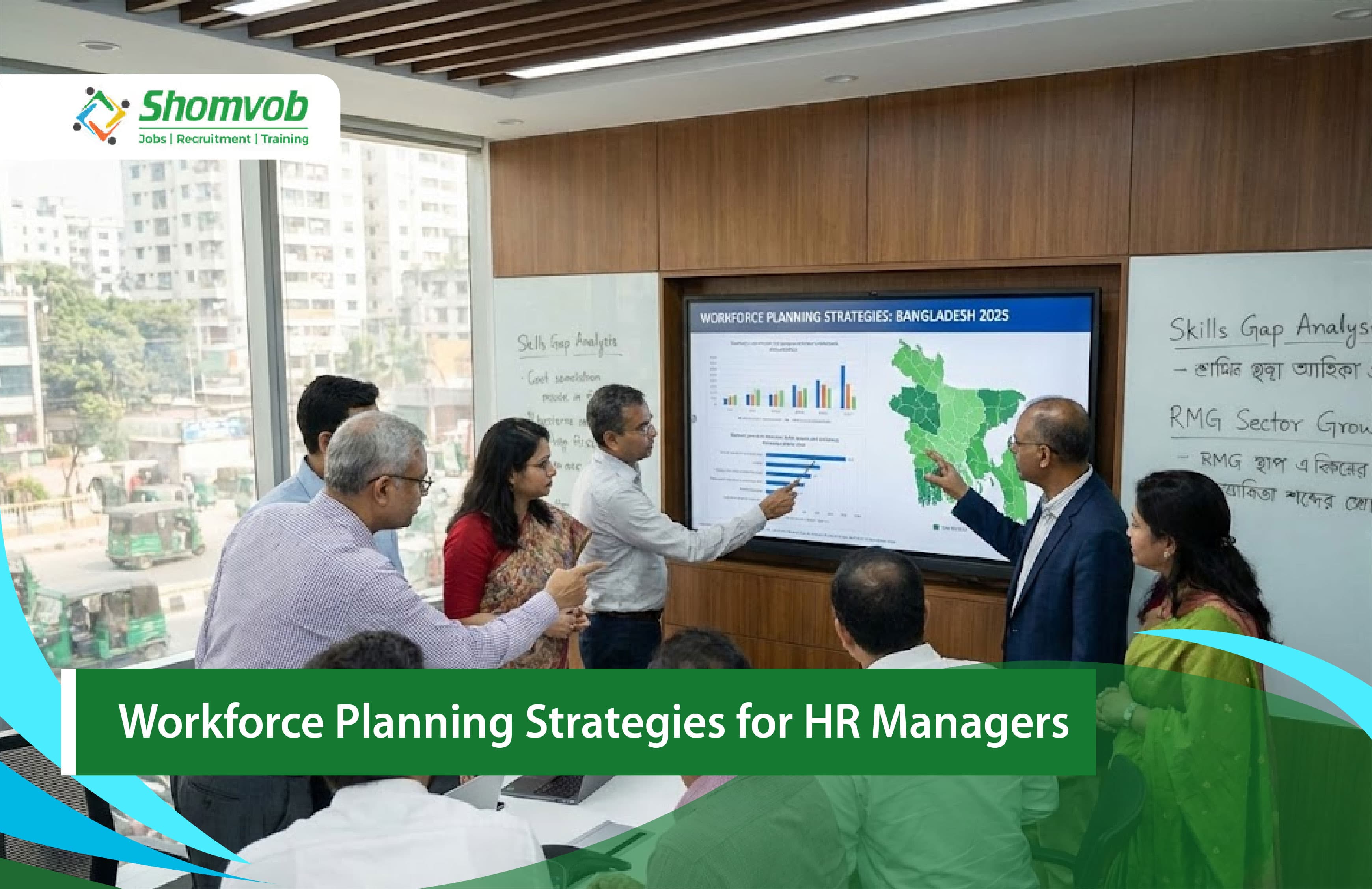
Workforce planning is no longer just an administrative task for HR managers — it has become a strategic necessity. In today’s fast-paced business environment, aligning your workforce with organizational goals is critical to ensure productivity, efficiency, and long-term success. Proper workforce planning helps HR managers anticipate challenges, optimize resources, and build a future-ready workforce. In this article, we’ll explore essential workforce planning strategies that HR managers can implement to meet both current and future organizational needs.
What is Workforce Planning?
Workforce planning is the process of analyzing, forecasting, and planning workforce needs to ensure that an organization has the right people with the right skills at the right time. It bridges the gap between HR and organizational strategy, enabling companies to:
Identify skill shortages
Improve talent acquisition and retention
Reduce costs related to overstaffing or understaffing
Align workforce capabilities with business goals
Key Workforce Planning Strategies for HR Managers
1. Conduct a Workforce Analysis
The first step in workforce planning is understanding your current workforce. HR managers should assess:
Employee skills and competencies
Job roles and responsibilities
Turnover rates
Workforce demographics
This analysis helps identify gaps and areas that require improvement or additional talent.
2. Forecast Future Workforce Needs
Predicting future workforce requirements is essential. HR managers should consider:
Business growth plans
Industry trends
Technological advancements
Retirement or attrition rates
By forecasting future needs, HR can prepare to recruit, train, or redeploy employees in advance.
3. Develop Talent Pipelines
Building a strong talent pipeline ensures your organization has access to skilled professionals when needed. Strategies include:
Partnering with educational institutions
Internship programs
Internal talent development initiatives
Succession planning for critical roles
4. Implement Skills Development Programs
Investing in employee learning and development is crucial for workforce agility. HR managers should focus on:
Upskilling and reskilling programs
Leadership development programs
Technical training aligned with emerging business needs
5. Leverage Workforce Analytics
Data-driven decision-making is key to effective workforce planning. HR managers can use analytics to:
Track workforce performance
Predict turnover risks
Identify high-potential employees
Optimize workforce allocation
6. Flexible Workforce Planning
The modern workforce requires flexibility. HR managers should adopt strategies like:
Cross-functional training
Remote or hybrid work models
Contingent or gig workforce integration
Flexibility ensures the organization can adapt quickly to market changes.
7. Align Workforce Planning with Business Strategy
Workforce planning should never be isolated from business goals. HR managers should collaborate with senior leadership to ensure workforce initiatives directly support organizational objectives.
Challenges in Workforce Planning
Even with the right strategies, HR managers may face challenges such as:
Rapidly changing technology
Global competition for talent
Employee retention issues
Budget constraints
Proactive planning, continuous monitoring, and adaptive strategies can help overcome these challenges.
Conclusion
Effective workforce planning is a strategic advantage for any organization. HR managers who implement robust planning strategies can ensure the right talent is available at the right time, reduce operational inefficiencies, and drive business growth. By analyzing the current workforce, forecasting future needs, developing talent pipelines, and embracing flexibility, HR leaders can create a workforce that is ready for the future.