
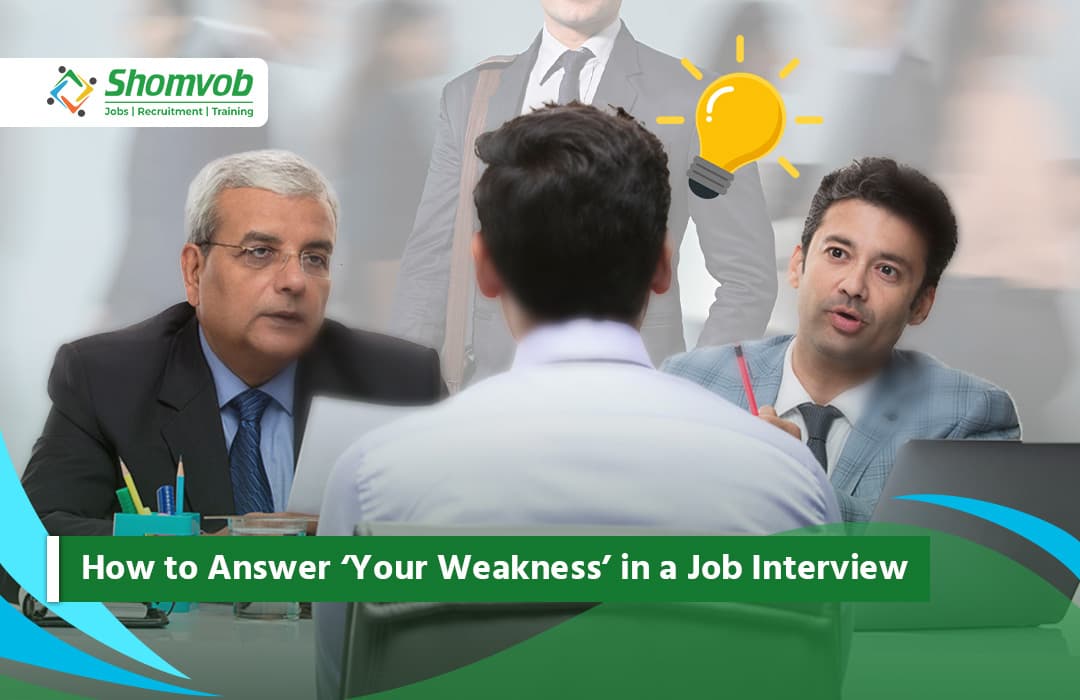
One of the most dreaded questions in any job interview is: “What is your greatest weakness?” It can feel like a trap, leaving many candidates worried about saying the wrong thing and ruining their chances. But in reality, this question isn’t designed to trip you up—it’s meant to see how self-aware, honest, and growth-oriented you are. Answering this question well can actually impress your interviewer and turn a tricky moment into a chance to shine. Here’s how to do it naturally, confidently, and strategically.
Why Interviewers Ask About Weaknesses
Before we dive into tips and examples, it helps to understand why interviewers ask this question:
Self-Awareness: They want to know if you understand your own strengths and areas for improvement.
Honesty: They are looking for candidates who can speak honestly without trying to “fake perfection.”
Growth Potential: Employers want to see if you’re willing to learn and improve.
Think of it as a way for them to measure your emotional intelligence, not just your technical skills.
Step 1: Be Honest, But Strategic
The worst thing you can do is claim you have no weaknesses. It comes across as fake and unrelatable. Instead:
Pick a real weakness—but avoid deal-breakers (for example, don’t say “I’m bad at deadlines” if the job requires strict time management).
Choose something that shows you’re actively improving.
For example, instead of saying:
“I’m terrible at communication.”
You can say:
“I sometimes overthink emails before sending them, but I’ve been practicing drafting faster and asking for feedback to improve.”
This way, you acknowledge a weakness but also show self-awareness and action.
Step 2: Show Growth
Interviewers love candidates who take responsibility for self-improvement. After stating your weakness, always add what you’re doing to overcome it.
Some ways to do this include:
Skill-building: Taking a course, reading, or practicing a new tool.
Seeking feedback: Asking colleagues or mentors for advice.
Time management strategies: Using planners, reminders, or productivity apps.
For example:
“I used to struggle with public speaking. To improve, I joined a local Toastmasters group and now I volunteer to lead small meetings. I’m not perfect, but I’ve grown a lot in the past year.”
This approach shows your weakness isn’t a static flaw—it’s a development opportunity.
Step 3: Keep It Relevant But Not Critical
Choose a weakness that is relevant to your personal growth, but not critical for the job.
If you’re applying for an accounting role, don’t say: “I’m bad with numbers.”
If you’re applying for a customer service role, don’t say: “I don’t enjoy talking to people.”
Instead, focus on areas like:
Public speaking
Delegating tasks
Perfectionism
Time management for non-essential tasks
Asking for help
Step 4: Use the “Weakness + Improvement” Formula
A simple and safe formula to answer the question is:
Weakness → How it affects you → What you’re doing to improve it
Example:
“I sometimes struggle with delegating tasks because I like to ensure everything is perfect. This can slow down projects, so I’ve been practicing trusting my team and assigning responsibilities more effectively. It’s helping me manage projects more efficiently while still maintaining quality.”
This method keeps your answer structured, honest, and positive.
Step 5: Practice Without Memorizing
Your answer should feel natural, not rehearsed. Practice your response, but avoid memorizing it word-for-word. The goal is to sound:
Self-aware
Genuine
Growth-oriented
Try recording yourself or practicing with a friend. Hearing your answer out loud helps you sound confident and relatable during the actual interview.
Common Weakness Examples You Can Use
Here are some widely accepted examples you can adapt:
Weakness | How to Frame It Positively |
Public speaking | “I used to get nervous speaking in front of groups, but I’ve joined workshops to build confidence and now volunteer to present in team meetings.” |
Perfectionism | “I tend to spend extra time perfecting minor details. I’m learning to focus on priorities and meet deadlines without compromising quality.” |
Delegating | “I sometimes struggle to delegate because I want to ensure everything is perfect. I’m learning to trust my team and communicate tasks clearly.” |
Time management | “I sometimes underestimate how long tasks take, so I now plan my schedule more carefully and use productivity tools to stay on track.” |
Asking for help | “I used to hesitate to ask for help, but I now seek advice early to avoid mistakes and improve collaboration.” |
Key Takeaways
Be honest, but strategic. Avoid deal-breaking weaknesses.
Show that you’re actively working on improving your weakness.
Keep your answer relevant to personal growth, not the job’s core requirements.
Practice naturally—don’t memorize.
Turn a potential negative into a positive story of self-development.
Answering the “your weakness” question well can make you stand out as self-aware, humble, and motivated. Remember, no one is perfect, and the ability to recognize and improve your weaknesses is a true sign of professionalism.